

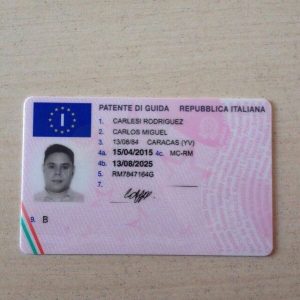

Italy driver’s licence
£800.00
Obtaining an Italian driving licence is an important step for residents, expats, international students, and professional drivers living in Italy. Understanding the licence categories, application requirements, testing procedures, renewal rules, and international driving regulations helps applicants avoid costly mistakes and remain compliant with Italian law.
Whether you are preparing for your first driving exam, converting a foreign licence, or planning to drive legally across Europe, staying informed about the Italian driving licence system ensures a smoother and more successful experience.
With proper preparation, professional guidance, and knowledge of Italian road regulations, drivers can confidently navigate Italy’s roads while enjoying the benefits of a recognized European driving credential.
Italian Driving Licence: Complete Guide for Residents, Expats, Students & International Drivers
Driving in Italy offers freedom, convenience, and access to one of Europe’s most beautiful road networks. Whether you are a resident, student, expat, tourist, or international worker, understanding how the Italian driving licence system works is essential.
This complete guide explains everything you need to know about obtaining, renewing, converting, and using an Italian driving licence legally in 2026. From licence categories and eligibility requirements to practical exams, costs, and international driving rules, this SEO-optimized article is designed to provide accurate information while helping users navigate the Italian licensing process with confidence.
What Is an Italian Driving Licence?
An Italian driving licence is an official government-issued document that authorizes individuals to operate motor vehicles legally within Italy and throughout the European Union. The licence is issued under European Union standards and includes biometric security features, licence categories, and expiration dates.
The Italian driving licence is recognized across EU and EEA countries and can also be used internationally in many jurisdictions when accompanied by an International Driving Permit (IDP).
Holding a valid Italian driver’s licence allows drivers to:
- Drive legally in Italy and the European Union
- Rent vehicles across Europe
- Use the licence as an identity document
- Convert or exchange the licence in eligible countries
- Access professional driving opportunities
Types of Italian Driving Licence Categories
Italy uses a category-based licence system similar to other EU countries. Each category determines the type of vehicle you are legally permitted to drive.
AM Licence
For mopeds and light scooters with a minimum age requirement of 14 years.
A1 Licence
Allows operation of motorcycles up to 125cc.
A2 Licence
For motorcycles with medium engine power restrictions.
A Licence
Full motorcycle licence without power restrictions.
B Licence
The most common category, allowing drivers to operate cars and light vehicles up to 3.5 tonnes.
BE Licence
Allows towing of larger trailers.
C Licence
For trucks and heavy goods vehicles.
D Licence
For buses and passenger transport vehicles.
CE and DE Licences
Advanced categories for articulated trucks and large passenger vehicles with trailers.
Requirements to Obtain an Italian Driving Licence
To apply for an Italian driving licence, applicants must meet several legal and administrative requirements.
Minimum Age Requirement
The minimum age depends on the licence category:
- 14 years for AM
- 16 years for A1
- 18 years for B
- 21 years or older for some professional categories
Residency Requirement
Applicants generally need legal residency in Italy. Foreign nationals may need:
- Residence permit
- Italian tax code (Codice Fiscale)
- Proof of address
Medical Examination
A certified medical evaluation is required to confirm physical and mental fitness for driving.
The medical assessment checks:
- Vision
- Hearing
- Reflexes
- General health condition
Driving School Registration
Most applicants enroll in an authorized Italian driving school to prepare for theory and practical examinations.
Driving schools assist with:
- Theory lessons
- Practical driving sessions
- Documentation submission
- Examination booking
Italian Driving Theory Test
The Italian driving theory test evaluates knowledge of road signs, traffic laws, and safe driving practices.
Topics Covered
The exam includes questions about:
- Road safety
- Speed limits
- Traffic regulations
- Emergency procedures
- Vehicle maintenance
- Environmental driving awareness
Language Availability
The test is commonly available in Italian. Some testing centers may offer support in additional languages, depending on regional availability.
Exam Format
The theory exam is computer-based and typically uses multiple-choice questions.
Applicants must pass the theory test before proceeding to the practical driving examination.
Italian Driving Practical Test
The practical driving test measures real-world driving ability under supervision.
Skills Evaluated
Examiners assess:
- Vehicle control
- Parking ability
- Road awareness
- Lane discipline
- Hazard response
- Compliance with traffic signs
Practice Requirements
Many driving schools recommend several hours of supervised practice before attempting the test.
Vehicle Requirements
The examination vehicle must meet Italian legal and safety standards.
How Long Does It Take to Get an Italian Driving Licence?
The timeframe depends on preparation, scheduling availability, and exam success rates.
On average:
- Theory preparation: 1–3 months
- Practical training: 1–2 months
- Total process: 2–6 months
Delays may occur during periods of high application demand.
Cost of an Italian Driving Licence
The total cost varies depending on location, driving school, and number of lessons required.
Typical Expenses Include
- Medical certificate fees
- Administrative taxes
- Theory exam fees
- Driving school tuition
- Practical lessons
- Practical examination fees
The average total cost for a Category B Italian driving licence can range between €700 and €1500.
Converting a Foreign Driving Licence in Italy
Italy allows licence conversion agreements with selected countries.
Who Can Convert Their Licence?
Drivers from countries with bilateral agreements may exchange their existing licence without retaking the full examination process.
Common Requirements
Applicants usually need:
- Valid foreign licence
- Official translation
- Residency documents
- Passport or ID
- Medical certificate
Non-Eligible Countries
Drivers from countries without conversion agreements may need to complete the full Italian driving test process.
Using an International Driving Permit in Italy
Tourists and short-term visitors may drive in Italy using:
- A valid foreign driving licence
- An International Driving Permit (IDP)
The IDP serves as a translation of the original licence and is recommended for non-EU licences.
Important Rules for Tourists
Visitors must:
- Carry both the original licence and IDP
- Follow Italian road laws
- Maintain valid vehicle insurance
Failure to comply may result in fines or driving restrictions.
Italian Driving Licence Renewal Process
Italian driving licences must be renewed periodically.
Renewal Frequency
Renewal intervals depend on age and licence category.
Typical renewal periods:
- Every 10 years for younger drivers
- More frequent renewals for older drivers
- Shorter intervals for commercial licences
Required Documents
Renewal applicants may need:
- Current licence
- Medical examination certificate
- Passport photos
- Renewal fee payment
Renewals can often be completed through:
- Authorized medical clinics
- Driving schools
- Government service centers
Penalty Points System in Italy
Italy uses a points-based driving system to encourage safe driving behavior.
Starting Points
New drivers typically begin with 20 points.
Points Deduction
Points may be removed for violations such as:
- Speeding
- Dangerous driving
- Using a mobile phone while driving
- Driving under the influence
Licence Suspension
Serious or repeated offenses can lead to:
- Heavy fines
- Licence suspension
- Criminal penalties
Safe driving can help restore lost points over time.
Why an Italian Driving Licence Is Valuable
Holding an Italian driving licence offers numerous benefits beyond legal driving rights.
European Mobility
The licence is recognized throughout the European Union, making cross-border travel easier.
Identity Verification
The licence can be used as an official identification document in many situations.
Employment Opportunities
Many jobs in logistics, transportation, delivery, and tourism require a valid EU driving licence.
Vehicle Rental Convenience
Car rental agencies throughout Europe commonly accept Italian licences without additional documentation.
Common Challenges Foreign Applicants Face
Foreign residents often encounter challenges during the licensing process.
Language Barrier
Many official documents and tests are conducted in Italian.
Documentation Complexity
Residency verification and administrative paperwork can be difficult for newcomers.
Driving Regulation Differences
Italian road rules may differ significantly from those in other countries.
Long Waiting Times
Some regions experience delays for theory and practical test appointments.
Working with an experienced driving school can simplify the process considerably.
Tips for Passing the Italian Driving Test
Study Road Signs Thoroughly
Italian traffic signs follow EU standards but may differ from non-European systems.
Practice Defensive Driving
Examiners focus heavily on safety awareness and hazard anticipation.
Take Professional Lessons
Qualified instructors help applicants understand exam expectations.
Learn Italian Driving Vocabulary
Understanding common road terminology improves confidence during both theory and practical exams.
Stay Calm During the Exam
Confidence, observation, and proper mirror usage are essential for success.
Can You Drive Outside Italy With an Italian Driving Licence?
Yes. Italian licences are widely accepted internationally.
Drivers can legally operate vehicles in:
- European Union countries
- European Economic Area countries
- Many non-EU jurisdictions
Some countries may additionally require an International Driving Permit.
Always verify local regulations before international travel.
Digital and Modern Features of Italian Driving Licences
Modern Italian licences include advanced security and digital identification features.
Security Features
Licences may include:
- Embedded security elements
- Anti-counterfeit technology
- Digital data integration
EU Standard Format
Italian licences follow standardized EU formatting for easier recognition across member states.
Frequently Asked Questions About Italian Driving Licences
Can foreigners get an Italian driving licence?
Yes. Foreign residents with valid legal status in Italy can apply.
Is the Italian driving test difficult?
The exam can be challenging due to strict road safety standards, but proper preparation improves success rates significantly.
Can tourists drive in Italy?
Yes, tourists may drive using a valid foreign licence and, where required, an International Driving Permit.
How much does an Italian licence cost?
Costs vary but generally range from €700 to €1500 depending on lessons and examination requirements.
Is an Italian licence valid across Europe?
Yes. Italian licences are recognized throughout the European Union and EEA.
Conclusion
Obtaining an Italian driving licence is an important step for residents, expats, international students, and professional drivers living in Italy. Understanding the licence categories, application requirements, testing procedures, renewal rules, and international driving regulations helps applicants avoid costly mistakes and remain compliant with Italian law.
Whether you are preparing for your first driving exam, converting a foreign licence, or planning to drive legally across Europe, staying informed about the Italian driving licence system ensures a smoother and more successful experience.
With proper preparation, professional guidance, and knowledge of Italian road regulations, drivers can confidently navigate Italy’s roads while enjoying the benefits of a recognized European driving credential.
Be the first to review “Italy driver’s licence”
Related products

DRIVING LICENCE

DRIVING LICENCE

DRIVING LICENCE

DRIVING LICENCE

DRIVING LICENCE

DRIVING LICENCE
DRIVING LICENCE

DRIVING LICENCE
Reviews
There are no reviews yet.