

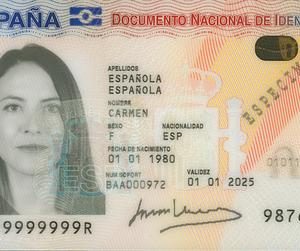
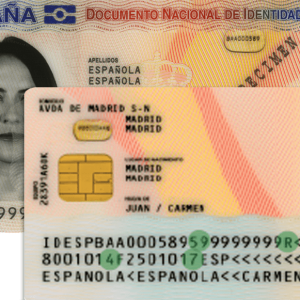
Spain ID card
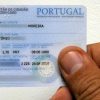
£500.00
Understanding the Spain ID card system is essential for anyone planning to live, work, study, retire, or invest in Spain.
Whether you need a DNI, NIE, or TIE, obtaining the correct identification helps you access banking, healthcare, employment, property ownership, and public services.
For foreigners, the process may initially seem complex, but proper preparation makes it manageable. By understanding the requirements, gathering the correct documentation, and applying early, you can avoid unnecessary delays and legal complications.
As Spain continues attracting expats, digital nomads, retirees, students, and entrepreneurs from around the world, having the correct Spain ID card remains one of the most important administrative steps for a successful relocation.
If you are planning your move to Spain in 2026, start your identification process early to ensure a smooth transition and full legal compliance.
Spain ID Card: Everything You Need to Know About
Spain is one of the most attractive destinations in Europe for tourists, students, digital nomads, retirees, and international investors. Whether you are planning to move permanently, stay long-term, or simply understand Spanish identification requirements, knowing how the Spain ID card system works is essential.
From the Spanish national identity card (DNI) to the foreigner identity card (TIE) and NIE number, Spain uses several identification systems depending on nationality and residency status. Understanding the differences can save time, avoid legal complications, and make your stay in Spain much easier.
In this complete guide, you will learn:
- What the Spain ID card is
- The difference between DNI, NIE, and TIE
- Who needs a Spanish ID card
- How to apply for a Spain ID card
- Documents required for foreigners
- Renewal procedures and costs
- Benefits of having a Spanish ID card
- Frequently asked questions
If you are an expat, student, investor, retiree, or EU citizen moving to Spain, this article will help you navigate the process confidently.
What Is a Spain ID Card?
A Spain ID card is an official identification document issued by Spanish authorities. The type of ID card you receive depends on your citizenship and immigration status.
There are three main identification documents commonly associated with Spain:
- DNI (Documento Nacional de Identidad) – For Spanish citizens
- NIE (Número de Identificación de Extranjero) – Foreigner identification number
- TIE (Tarjeta de Identidad de Extranjero) – Physical residency card for non-EU foreigners
These documents are essential for legal, financial, administrative, and everyday activities in Spain.
Types of Spain ID Cards Explained
1. DNI – Spanish National Identity Card
The DNI is the official national ID card for Spanish citizens. It contains personal information such as:
- Full name
- Date of birth
- Photograph
- Signature
- National identity number
- Electronic chip for digital authentication
The DNI allows Spanish citizens to:
- Travel within many European countries
- Access public services
- Open bank accounts
- Sign legal documents digitally
- Vote in elections
- Verify identity in official transactions
The DNI is mandatory for all Spanish citizens over the age of 14.
2. NIE – Foreigner Identification Number
The NIE is not technically a physical ID card. It is a unique identification number assigned to foreigners in Spain.
Foreigners need an NIE number for many legal and financial activities, including:
- Buying property
- Opening a Spanish bank account
- Paying taxes
- Working in Spain
- Starting a business
- Signing employment contracts
- Purchasing a vehicle
The NIE is often one of the first requirements for expats moving to Spain.
Who Needs an NIE?
You generally need an NIE if you:
- Plan to stay in Spain for more than 3 months
- Work or study in Spain
- Buy property in Spain
- Conduct financial transactions
- Start a company in Spain
3. TIE – Foreigner Identity Card
The TIE is a physical biometric card issued to non-EU citizens residing legally in Spain.
It includes:
- NIE number
- Photo
- Residency type
- Expiration date
- Fingerprints
- Immigration status
The TIE serves as proof of legal residency in Spain.
Difference Between DNI, NIE, and TIE
Understanding the differences between these documents is crucial.
| Document | Who Gets It | Purpose | Physical Card |
|---|---|---|---|
| DNI | Spanish citizens | National identification | Yes |
| NIE | Foreigners | Identification number | Usually no |
| TIE | Non-EU residents | Residency identification | Yes |
Many foreigners confuse the NIE and TIE, but they are not the same.
- The NIE is a number.
- The TIE is the physical residency card containing the NIE.
Why Is a Spain ID Card Important?
A Spain ID card or identification number is necessary for nearly every important activity in the country.
Banking and Finance
Without an NIE or valid ID card, opening a bank account in Spain can be difficult.
Most banks require:
- Passport
- NIE
- Proof of address
- Residency documentation
Employment
Employers in Spain require foreign workers to provide:
- NIE number
- Residency authorization
- Social security registration
Healthcare Access
Public healthcare registration often requires:
- TIE or NIE
- Residency certificate
- Social security number
Property Purchases
Buying property in Spain is impossible without an NIE.
Real estate transactions require official identification for:
- Tax registration
- Notary services
- Utility contracts
- Mortgage applications
Digital Services
Modern Spain increasingly uses electronic verification systems.
A Spanish ID card can help with:
- Online tax filing
- Government portals
- Digital signatures
- Banking authentication
- Residency procedures
Who Needs a Spain ID Card?
EU Citizens
EU citizens staying in Spain longer than 90 days typically need:
- NIE number
- EU registration certificate
In some cases, they may not require a TIE unless residency conditions change.
Non-EU Citizens
Non-EU residents usually need:
- NIE number
- TIE card
- Valid visa or residency authorization
Students
International students staying longer than 6 months generally require:
- NIE number
- Student TIE card
Digital Nomads
Spain’s digital nomad visa has increased demand for TIE cards and NIE numbers among remote workers.
Digital nomads often need:
- NIE n- Residency approval
- TIE appointment
- Tax registration
Retirees and Investors
Foreign retirees and property investors commonly apply for:
- NIE number
- Non-lucrative visa residency card
- Investor residency documentation
How to Apply for a Spain ID Card
The application process depends on the type of identification document you need.
Step 1: Determine Your Status
First, identify whether you are:
- Spanish citizen
- EU citizen
- Non-EU resident
- Student
- Worker
- Investor
Your immigration category determines the correct application process.
Step 2: Obtain an NIE Number
Foreigners generally apply for an NIE before obtaining residency documentation.
Required Documents for NIE Application
You usually need:
- Valid passport
- Completed EX-15 form
- Passport photographs
- Proof of reason for requesting NIE
- Government fee payment receipt
Applications may be submitted:
- In Spain at immigration offices
- Through Spanish consulates abroad
- Via authorized legal representatives
Step 3: Attend Fingerprint Appointment
Non-EU residents applying for a TIE must attend a biometric appointment.
Authorities collect:
- Fingerprints
- Photograph
- Signature
Step 4: Receive Your TIE Card
After approval, you can collect your physical residency card.
Processing times vary depending on:
- Province
- Appointment availability
- Residency type
- Seasonal demand
Documents Required for Spain ID Card Applications
The required documents vary, but applicants commonly need:
General Requirements
- Valid passport
- Visa or residency authorization
- Passport-sized photos
- Completed application forms
- Proof of address
- Health insurance
- Proof of financial means
- Appointment confirmation
Additional Documents
Depending on your residency category, authorities may also request:
For Workers
- Employment contract
- Social security registration
For Students
- University acceptance letter
- Proof of enrollment
For Retirees
- Pension documentation
- Proof of savings
For Investors
- Property purchase documents
- Business investment records
Spain ID Card Fees
Government fees can change slightly each year.
Additional costs may include:
- Legal assistance
- Translation services
- Notarization
- Photography
How Long Does It Take to Get a Spain ID Card?
Processing times depend on the region and application type.
Typical Timeframes
| Application Type | Average Processing Time |
| NIE number | Few days to several weeks |
| TIE appointment | 2–8 weeks |
| TIE production | 20–45 days |
| DNI renewal | Often same day |
Major cities such as Madrid and Barcelona may have longer appointment waiting times.
Renewing a Spain ID Card
Renewal procedures vary depending on the document type.
DNI Renewal
Spanish citizens renew their DNI periodically.
Renewal may be required due to:
- Expiration
- Address changes
- Damaged card
- Lost or stolen document
TIE Renewal
Foreign residents must renew their TIE before expiration.
Renewal applications usually require:
- Updated residency approval
- Passport
- Financial documentation
- Health insurance
- Government fee payment
Failing to renew on time can lead to administrative complications.
Benefits of Having a Spain ID Card
Obtaining proper identification in Spain offers many advantages.
Easier Daily Life
A valid ID card simplifies:
- Apartment rentals
- Utility setup
- Internet contracts
- Mobile phone registration
- Public administration tasks
Legal Residency Proof
The TIE card officially proves your legal right to reside in Spain.
Faster Administrative Processes
Government institutions process applications faster when you already have official identification.
Improved Financial Access
Banks and lenders often require official Spanish identification.
Travel Convenience
Spanish citizens can travel within many European countries using only their DNI.
Common Problems and How to Avoid Them
Appointment Delays
Immigration appointments can be difficult to secure.
Solution
Book appointments early and monitor cancellation availability regularly.
Missing Documents
Incomplete documentation is one of the main reasons for delays.
Solution
Prepare original and photocopied versions of every document.
Incorrect Forms
Using outdated forms can cause rejection.
Solution
Download the latest forms from official Spanish government websites.
Language Barriers
Many procedures are conducted primarily in Spanish.
Solution
Consider hiring a translator or immigration specialist if necessary.
Spain ID Card for Expats
Spain remains one of the top relocation destinations in Europe.
Expats moving to Spain should prioritize obtaining:
- NIE number
- Residency registration
- TIE card if applicable
- Social security registration
- Healthcare enrollment
Having proper identification helps expats integrate more smoothly into Spanish society.
Spain Digital Nomad Visa and ID Card Requirements
The popularity of Spain’s digital nomad visa has increased significantly.
Remote workers relocating to Spain generally require:
- Approved digital nomad visa
- NIE number
- TIE residency card
- Proof of remote employment
- Income verification
- Health insurance
Digital nomads benefit from Spain’s strong infrastructure, Mediterranean climate, and international communities.
Frequently Asked Questions About Spain ID Cards
Is the NIE the Same as the TIE?
No. The NIE is an identification number, while the TIE is the physical residency card.
Can I Work in Spain With Only an NIE?
Not necessarily. Work authorization depends on your residency and visa status.
How Long Is a TIE Valid?
Validity depends on your residency category. Some cards last 1 year, while others may last longer.
Do EU Citizens Need a TIE?
Usually, EU citizens primarily need an NIE and EU registration certificate, though requirements can vary.
Can I Apply for an NIE Outside Spain?
Yes. Spanish consulates abroad often process NIE applications.
What Happens If I Lose My Spain ID Card?
You should report the loss immediately and apply for a replacement.
Final Thoughts
Understanding the Spain ID card system is essential for anyone planning to live, work, study, retire, or invest in Spain.
Whether you need a DNI, NIE, or TIE, obtaining the correct identification helps you access banking, healthcare, employment, property ownership, and public services.
For foreigners, the process may initially seem complex, but proper preparation makes it manageable. By understanding the requirements, gathering the correct documentation, and applying early, you can avoid unnecessary delays and legal complications.
As Spain continues attracting expats, digital nomads, retirees, students, and entrepreneurs from around the world, having the correct Spain ID card remains one of the most important administrative steps for a successful relocation.
If you are planning your move to Spain in 2026, start your identification process early to ensure a smooth transition and full legal compliance.
Be the first to review “Spain ID card”
Related products
ID CARDS

ID CARDS
ID CARDS

ID CARDS

ID CARDS
ID CARDS
ID CARDS
ID CARDS
Reviews
There are no reviews yet.