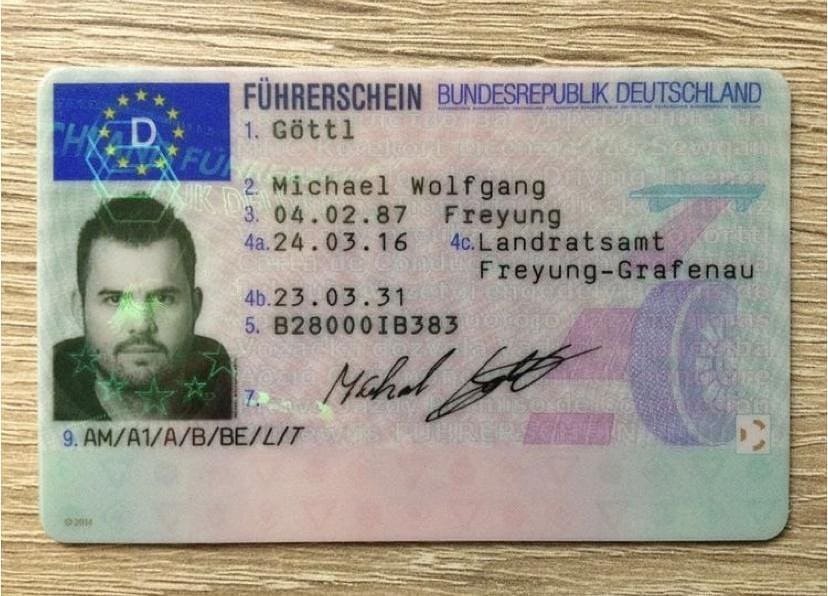
Buy German Driving Licence
£800.00
The German driving licence process may appear complicated, but proper preparation makes the journey manageable and rewarding. From enrolling in a driving school to passing the theory and practical exams, every step is designed to ensure road safety and responsible driving habits.
Whether you are an expatriate, student, tourist converting your licence, or a first-time driver, understanding the German driving licence requirements can help you avoid delays, reduce costs, and pass your tests successfully.
Investing time in quality driving lessons, theory preparation, and practical training greatly improves your chances of obtaining your licence quickly and legally in Germany.
With the right approach, patience, and preparation, you can confidently complete the German driving licence process and enjoy safe driving throughout Germany and Europe.
German Driving Licence Process: Complete Step-by-Step Guide
Getting a German driving licence is one of the most important steps for anyone planning to live, work, or study in Germany. Whether you are an international student, expatriate, tourist converting your foreign licence, or a first-time driver, understanding the German driving licence process can save you time, money, and frustration.
Germany is known for its strict road safety standards, advanced driving systems, and world-famous Autobahn highways. Because of this, obtaining a German driver’s licence involves several mandatory steps, including driving school registration, eye tests, first aid training, theory exams, and practical driving tests.
This comprehensive guide explains everything you need to know about the German driving licence process in 2026, including eligibility, required documents, costs, exam procedures, licence conversion rules, and expert tips for passing quickly.
Why a German Driving Licence Is Important
A German driving licence is highly respected internationally and provides legal authorization to drive throughout Germany and many European countries. It also serves as an important identification document for residents.
Benefits of obtaining a German driving licence include:
- Legal driving privileges in Germany
- Easier vehicle rental and car ownership
- Increased job opportunities
- International recognition within the EU
- Better mobility and independence
- Access to Germany’s advanced road network
Many employers in Germany also prefer candidates who hold a valid German driver’s licence, especially in logistics, transportation, sales, and delivery sectors.
Who Needs a German Driving Licence?
You need a German driving licence if:
- You are a resident in Germany for more than six months
- Your foreign licence is not recognized permanently
- You are learning to drive for the first time
- You want to convert a non-EU licence
- Your current licence has expired or is invalid
EU and EEA licence holders can usually continue driving in Germany without conversion, while non-EU residents often need to exchange or retake tests depending on their country of origin.
Types of German Driving Licences
Germany offers different driving licence categories based on vehicle type.
Common German Licence Classes
| Licence Class | Vehicle Type |
|---|---|
| Class B | Cars and small vehicles |
| Class A | Motorcycles |
| Class C | Trucks and heavy vehicles |
| Class D | Buses and passenger transport |
| AM | Mopeds and light scooters |
The most commonly requested licence is the Class B German driving licence for standard passenger vehicles.
Requirements for a German Driving Licence
Before beginning the German driving licence process, applicants must meet several legal requirements.
Minimum Age Requirements
- 18 years old for standard Class B licence
- 17 years old for supervised driving programs
- Higher ages for commercial vehicle licences
Mandatory Requirements
Applicants must provide:
- Valid passport or residence permit
- Registration certificate (Anmeldung)
- Passport-size biometric photos
- Eye test certificate
- First aid course certificate
- Existing licence (if converting)
Some local driving authorities may request additional documents depending on your nationality and residency status.
Step-by-Step German Driving Licence Process
Understanding each stage of the German driving licence process helps applicants avoid delays and unnecessary costs.
Step 1: Register at a Driving School
The first step is enrolling in a certified German driving school (Fahrschule).
Driving schools help students prepare for:
- Theory lessons
- Practical driving lessons
- Road safety training
- Theory and practical examinations
Choosing a reputable driving school with English-speaking instructors can significantly improve success rates for expats and international students.
How to Choose the Best Driving School
Consider:
- Student reviews
- Pass rates
- Lesson prices
- Flexible schedules
- English-language support
- Vehicle quality
Many schools now offer online theory classes and digital learning apps for easier preparation.
Step 2: Complete the Eye Test
An eyesight test is mandatory for all licence applicants in Germany.
The test checks:
- Visual sharpness
- Distance vision
- Basic eye health
The eye test usually takes about 10 minutes and can be completed at optical shops or medical centers.
If corrective lenses are required, your licence will indicate that glasses or contact lenses must be worn while driving.
Step 3: Attend a First Aid Course
A first aid course is legally required before obtaining a German driving licence.
The course covers:
- Emergency response techniques
- CPR basics
- Accident assistance
- Roadside safety
Most courses are completed in one day and are available in both German and English.
Step 4: Submit Your Application
Once your documents are ready, you must submit your application to the local driving licence authority (Führerscheinstelle).
Documents Required
Typical documents include:
- Passport or ID card
- Residence permit
- Registration certificate
- Biometric photos
- Eye test certificate
- First aid certificate
- Driving school registration proof
- Existing foreign licence (if applicable)
Application processing times vary between cities and may take several weeks.
Step 5: Study for the Theory Test
The German theory exam is considered challenging, especially for non-native speakers.
The test includes:
- Road signs
- Traffic laws
- Safety rules
- Environmental driving practices
- Hazard awareness
Applicants usually study using official driving school software or mobile applications.
Theory Test Languages
The German theory test is available in multiple languages, including:
- English
- French
- Turkish
- Arabic
- Spanish
- Russian
This makes the process easier for international applicants.
German Theory Test Explained
The theory exam contains multiple-choice questions from an official question catalog.
Key Facts
- Usually 30 questions
- Computer-based exam
- Conducted at authorized testing centers
- Penalty-point scoring system
- Maximum allowed error points apply
Failing the test requires retaking it after a waiting period and paying additional fees.
Tips to Pass the Theory Exam
- Practice daily using official apps
- Memorize road signs carefully
- Focus on high-point penalty questions
- Take mock exams regularly
- Understand road situations instead of memorizing blindly
Step 6: Take Practical Driving Lessons
Practical driving lessons are a core part of the German driving licence process.
Mandatory Driving Lessons
Students must complete special driving sessions including:
- Night driving
- Autobahn driving
- Country road driving
The number of regular lessons varies depending on driving ability and instructor evaluation.
What Happens During Driving Lessons?
Driving instructors teach:
- Parking techniques
- Lane discipline
- Highway merging
- Traffic observation
- Defensive driving
- Emergency braking
- German traffic rules
German driving standards are strict, so precision and safety are extremely important.
Step 7: Pass the Practical Driving Test
The practical driving exam is the final step in obtaining a German licence.
Practical Test Duration
The exam usually lasts 45 to 60 minutes.
An examiner evaluates:
- Vehicle control
- Parking ability
- Traffic awareness
- Mirror usage
- Obedience to road signs
- Safety procedures
- Driving confidence
Common reasons for failure include:
- Ignoring right-of-way rules
- Unsafe lane changes
- Poor observation
- Speed violations
- Incorrect parking
Passing the practical exam results in immediate licence approval in most cases.
German Driving Licence Costs
The German driving licence process can be expensive compared to many countries.
Converting a Foreign Driving Licence in Germany
Many expatriates already possess foreign licences before moving to Germany.
EU and EEA Licence Holders
Drivers from EU and EEA countries usually do not need to retake tests.
However, licence exchange may become necessary after expiry or legal status changes.
Non-EU Licence Holders
Requirements depend on bilateral agreements between Germany and your country.
Some countries allow:
- Direct licence conversion
- Theory test only
- Full theory and practical tests
Others require complete retraining.
Countries With Easier Licence Conversion
Several countries have simplified exchange agreements with Germany.
Examples may include:
- United States (selected states)
- Canada (selected provinces)
- Australia
- Japan
- South Korea
- Switzerland
Always verify current conversion rules with local authorities because regulations change regularly.
Can You Drive in Germany With an International Driving Permit?
Tourists and short-term visitors may drive temporarily using:
- Valid foreign licence
- International Driving Permit (IDP)
However, permanent residents generally must convert or obtain a German licence after six months.
How Long Does the German Driving Licence Process Take?
The duration depends on:
- Driving school availability
- Test appointment scheduling
- Individual learning speed
- Administrative processing times
Some learners may complete the process faster with intensive driving courses.
Common Mistakes to Avoid
Many applicants fail or delay their licence process because of avoidable mistakes.
Major Errors
- Choosing the cheapest driving school only
- Not studying theory questions consistently
- Underestimating German traffic rules
- Missing practical lesson practice
- Taking exams too early
- Ignoring instructor feedback
Consistency and preparation are essential for success.
Tips to Pass the German Driving Test Faster
Study Smart
Use official theory apps daily and practice mock tests repeatedly.
Take Extra Driving Practice
Additional driving sessions improve confidence and reduce test anxiety.
Learn German Traffic Signs Early
Road sign recognition is critical in both theory and practical exams.
Stay Calm During the Exam
Examiners evaluate safe driving, not perfection.
Listen Carefully to Your Instructor
Driving instructors understand common failure patterns and can guide improvement effectively.
Is Getting a German Driving Licence Worth It?
Despite the cost and difficulty, a German driving licence offers long-term value.
Advantages include:
- High international credibility
- Better driving skills
- Increased employment opportunities
- Safer road awareness
- Freedom to travel across Europe
Many drivers consider the German licence one of the most respected driving qualifications worldwide.
Final Thoughts on the German Driving Licence Process
The German driving licence process may appear complicated, but proper preparation makes the journey manageable and rewarding. From enrolling in a driving school to passing the theory and practical exams, every step is designed to ensure road safety and responsible driving habits.
Whether you are an expatriate, student, tourist converting your licence, or a first-time driver, understanding the German driving licence requirements can help you avoid delays, reduce costs, and pass your tests successfully.
Investing time in quality driving lessons, theory preparation, and practical training greatly improves your chances of obtaining your licence quickly and legally in Germany.
With the right approach, patience, and preparation, you can confidently complete the German driving licence process and enjoy safe driving throughout Germany and Europe.
Be the first to review “Buy German Driving Licence”
Related products

DRIVING LICENCE


DRIVING LICENCE

DRIVING LICENCE
DRIVING LICENCE

DRIVING LICENCE

DRIVING LICENCE

DRIVING LICENCE

DRIVING LICENCE
Reviews
There are no reviews yet.