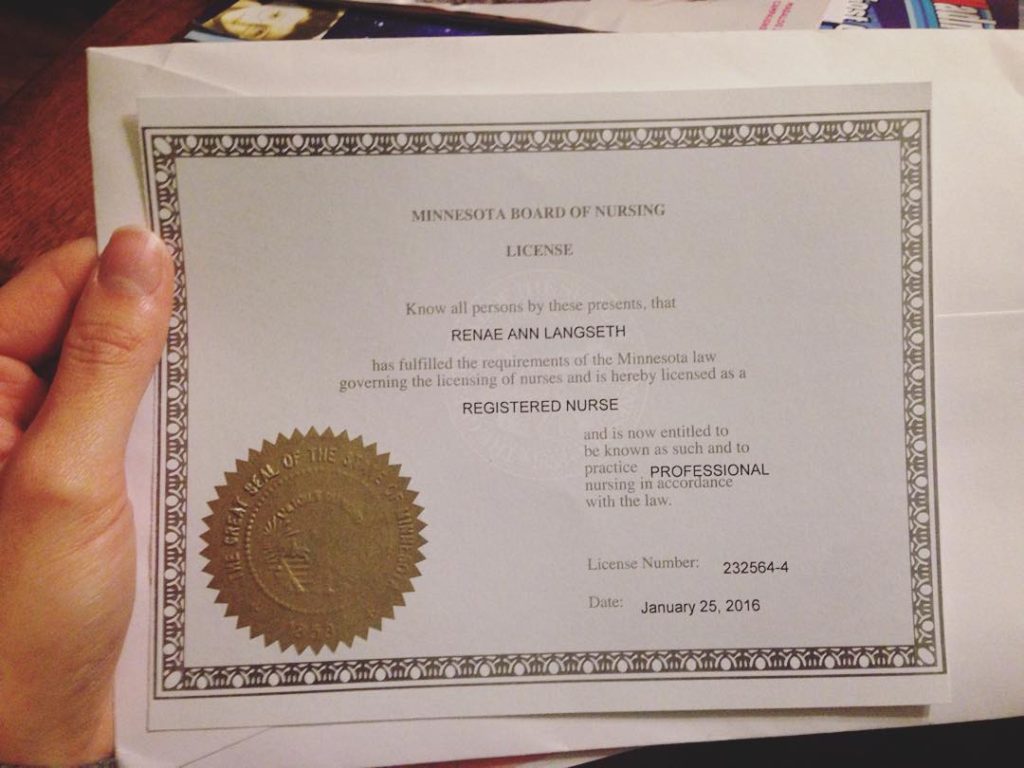
Licensed Nurse Certificate

£1,500.00
A Licensed Nurse Certificate is an essential credential for healthcare professionals seeking career growth, employment opportunities, and professional credibility. From registered nurses and licensed practical nurses to specialized nursing experts, certification validates healthcare knowledge, clinical skills, and legal authorization to practice.
With increasing demand for qualified healthcare workers worldwide, certified nurses continue to enjoy strong career prospects, competitive salaries, and diverse professional opportunities. Nursing certification also supports healthcare safety, patient trust, and regulatory compliance.
Individuals considering a nursing career should focus on accredited education programs, proper licensing procedures, examination preparation, and continuing professional development. Employers should prioritize nursing license verification and support ongoing staff certification.
By understanding the nursing certification process and staying updated on healthcare industry trends, nurses and healthcare organizations can position themselves for long-term success in an increasingly competitive healthcare environment.
Licensed Nurse Certificate: Complete Guide to Nursing Certification and Career Growth
Introduction to Licensed Nurse Certificates
A Licensed Nurse Certificate is one of the most important professional credentials in the healthcare industry. Whether you are pursuing a career as a Registered Nurse (RN), Licensed Practical Nurse (LPN), or Licensed Vocational Nurse (LVN), obtaining the proper certification validates your skills, education, and eligibility to work in healthcare facilities.
Healthcare employers, hospitals, clinics, rehabilitation centers, nursing homes, and private healthcare organizations require nurses to maintain valid licenses and certifications before employment. Nursing certification not only confirms legal authorization to practice but also improves career opportunities, salary potential, and professional credibility.
In today’s competitive healthcare sector, professionals and healthcare institutions search online for information regarding licensed nurse certificates, nursing credential verification, nursing license requirements, and certification renewal procedures. This guide provides a comprehensive overview of nursing certification, eligibility requirements, verification methods, and career benefits while targeting high-authority SEO keyword clusters for maximum search engine visibility.
What Is a Licensed Nurse Certificate?
A Licensed Nurse Certificate is an official credential issued by a nursing regulatory authority or accredited nursing board after an individual completes approved nursing education and passes the required licensing examination.
The certificate demonstrates that the nurse has met national or state standards for safe and competent nursing practice. It also serves as proof of professional qualification when applying for nursing jobs, healthcare contracts, travel nursing opportunities, or advanced nursing programs.
Common Types of Nursing Licenses and Certifications
Registered Nurse (RN) License
Registered Nurses provide patient care, administer medications, assist physicians, educate patients, and coordinate healthcare services. RN licensure usually requires completion of an accredited nursing program and passing the NCLEX-RN examination.
Licensed Practical Nurse (LPN) Certificate
Licensed Practical Nurses perform basic nursing duties under the supervision of registered nurses or physicians. LPN certification generally requires completion of a practical nursing program and passing the NCLEX-PN exam.
Licensed Vocational Nurse (LVN) Certification
LVN certification is similar to LPN licensing but is used in specific regions. LVNs assist in patient care, monitor vital signs, and provide bedside care.
Certified Nursing Assistant (CNA) Certification
CNAs provide direct patient assistance including hygiene support, mobility assistance, and daily living activities. CNA certification is often the entry point into the healthcare industry.
Advanced Nursing Certifications
Nurses may pursue specialized certifications in:
- Critical Care Nursing
- Pediatric Nursing
- Emergency Nursing
- Oncology Nursing
- Surgical Nursing
- Mental Health Nursing
- Geriatric Nursing
- Family Nurse Practitioner Programs
These certifications improve professional specialization and increase earning potential.
Why a Licensed Nurse Certificate Is Important
Professional Credibility
A valid nursing certificate proves that a healthcare professional has completed approved training and met industry standards. Employers prioritize licensed nurses because certification demonstrates competence and legal eligibility.
Employment Opportunities
Hospitals, clinics, healthcare agencies, and private practices require active nursing licenses for employment. Certified nurses often gain access to better job positions and more stable employment opportunities.
Higher Salary Potential
Licensed and certified nurses generally earn higher salaries than unlicensed healthcare workers. Advanced certifications can significantly increase income and career advancement opportunities.
Legal Authorization to Practice
Nursing licenses ensure compliance with healthcare regulations. Practicing without proper certification may result in penalties, employment termination, or legal consequences.
Career Advancement
Specialized certifications allow nurses to pursue leadership roles, management positions, travel nursing contracts, or advanced clinical specialties.
Requirements for Obtaining a Licensed Nurse Certificate
The requirements for obtaining a licensed nurse certificate vary depending on the nursing category and location. However, the following steps are commonly required.
1. Complete an Accredited Nursing Program
Candidates must graduate from an approved nursing education institution. Common educational paths include:
- Diploma in Nursing
- Associate Degree in Nursing (ADN)
- Bachelor of Science in Nursing (BSN)
- Practical Nursing Programs
Choosing an accredited nursing school is essential because licensing boards typically require recognized educational credentials.
2. Pass the Required Licensing Examination
Most nursing regulatory authorities require candidates to pass standardized examinations.
NCLEX-RN
Required for Registered Nurse licensing.
NCLEX-PN
Required for Licensed Practical Nurse certification.
These exams evaluate patient care knowledge, clinical judgment, healthcare ethics, and nursing procedures.
3. Submit License Application
Applicants usually submit:
- Proof of nursing education
- Identification documents
- Examination results
- Background checks
- Fingerprint verification
- Application fees
4. Complete Background Screening
Healthcare organizations prioritize patient safety, making criminal background checks a mandatory part of the certification process.
5. Maintain Continuing Education
Many nursing boards require continuing education units (CEUs) to maintain active licensure and stay updated on medical standards.
Nursing License Verification Process
Healthcare employers frequently verify nursing credentials before hiring candidates. Nursing license verification confirms whether a nurse’s license is valid, active, suspended, or expired.
Why Verification Matters
- Protects patient safety
- Prevents healthcare fraud
- Confirms professional qualifications
- Ensures compliance with healthcare laws
- Supports employer background screening
Information Typically Verified
- License number
- License status
- Expiration date
- Disciplinary actions
- Specialty certifications
- Education credentials
Online Nursing License Verification
Many nursing boards provide online portals where employers and healthcare agencies can verify nursing licenses instantly.
Popular searches related to verification include:
- Verify nursing license online
- RN license verification
- LPN certification lookup
- Nursing board verification
- Nursing credential validation
Benefits of Specialized Nursing Certifications
Specialized nursing certifications help nurses stand out in a highly competitive healthcare industry.
Increased Professional Recognition
Certified nurse’s often gain more respect within healthcare organizations because advanced certifications demonstrate expertise.
Better Job Security
Healthcare facilities prefer nurses with additional certifications because specialized skills improve patient outcomes.
Expanded Career Options
Specialized certifications open doors to:
- Intensive care units
- Emergency departments
- Surgical teams
- Pediatric clinics
- Mental health facilities
- Telehealth services
- Travel nursing contracts
Leadership Opportunities
Nurses with advanced credentials may qualify for supervisory, administrative, or educational roles.
Licensed Nurse Certificate Renewal
Most nursing licenses are not permanent and must be renewed periodically.
Common Renewal Requirements
- Continuing education credits
- Renewal application submission
- License renewal fees
- Updated background checks
- Proof of active employment in some jurisdictions
Importance of Timely Renewal
Failure to renew a nursing license may result in:
- License suspension
- Employment interruption
- Legal penalties
- Delayed career advancement
Nurses should monitor expiration dates carefully to maintain uninterrupted professional practice.
How to Choose the Right Nursing Certification Program
Selecting the right nursing education and certification pathway is essential for long-term career success.
Accreditation
Always choose accredited nursing schools and training programs recognized by national or regional nursing authorities.
Curriculum Quality
A strong nursing curriculum should include:
- Clinical training
- Patient care techniques
- Medical ethics
- Pharmacology
- Anatomy and physiology
- Emergency response procedures
Clinical Experience
Hands-on clinical experience is critical for developing real-world nursing skills.
Career Support
Top nursing programs offer:
- Career counseling
- Internship placement
- Exam preparation support
- Job placement assistance
Flexible Learning Options
Many institutions now offer:
- Online nursing courses
- Hybrid nursing programs
- Weekend nursing classes
- Accelerated nursing programs
These options help working professionals pursue certification more conveniently.
Career Opportunities for Licensed Nurses
Licensed nurses are in high demand globally due to growing healthcare needs and aging populations.
Hospitals
Hospitals remain one of the largest employers of licensed nurses.
Nursing Homes and Rehabilitation Centers
These facilities require skilled nurses to provide long-term patient care.
Home Healthcare Services
Home healthcare nurses assist patients recovering outside traditional medical facilities.
Telemedicine and Virtual Healthcare
The rise of telehealth has created new opportunities for licensed nurses in remote patient monitoring and online healthcare support.
International Nursing Opportunities
Many countries actively recruit qualified nurses to address healthcare workforce shortages.
Travel Nursing
Travel nursing contracts offer competitive salaries, flexible schedules, and opportunities to work in different locations.
Best Practices for Healthcare Employers Hiring Licensed Nurses
Healthcare organizations should implement strict credential verification policies when recruiting nurses.
Verify Licenses Before Hiring
Employers should confirm:
- Active license status
- Educational qualifications
- Specialty certifications
- Disciplinary records
Monitor Renewal Dates
Healthcare facilities should track employee certification expiration dates to maintain compliance.
Support Continuing Education
Providing professional development opportunities improves employee retention and patient care quality.
Conduct Thorough Background Checks
Comprehensive screening helps maintain healthcare safety standards.
Future Trends in Nursing Certification
The healthcare industry continues to evolve rapidly, increasing demand for certified nursing professionals.
Digital Credential Verification
Blockchain and digital credentialing technologies are transforming how nursing certifications are stored and verified.
Telehealth Nursing Growth
Virtual healthcare services are creating new nursing roles requiring specialized telemedicine training.
Artificial Intelligence in Healthcare
Nurses increasingly work alongside AI-powered healthcare technologies for diagnostics, patient monitoring, and administrative support.
Increased Demand for Specialized Nurses
Healthcare employers continue seeking nurses with expertise in:
- Intensive care
- Geriatrics
- Mental health
- Emergency response
- Chronic disease management
Why Nursing Certification Matters in Modern Healthcare
Nursing certification improves patient trust, healthcare quality, and professional accountability. As healthcare systems become more advanced and regulated, licensed nurses play a vital role in delivering safe, effective, and compassionate patient care.
Employers, healthcare institutions, and patients rely on certified nursing professionals because certification demonstrates commitment to excellence, ongoing education, and ethical healthcare practice.
Whether pursuing entry-level nursing certification or advanced specialization, obtaining a licensed nurse certificate is an investment in long-term professional success.
Conclusion
A Licensed Nurse Certificate is an essential credential for healthcare professionals seeking career growth, employment opportunities, and professional credibility. From registered nurses and licensed practical nurses to specialized nursing experts, certification validates healthcare knowledge, clinical skills, and legal authorization to practice.
With increasing demand for qualified healthcare workers worldwide, certified nurses continue to enjoy strong career prospects, competitive salaries, and diverse professional opportunities. Nursing certification also supports healthcare safety, patient trust, and regulatory compliance.
Individuals considering a nursing career should focus on accredited education programs, proper licensing procedures, examination preparation, and continuing professional development. Employers should prioritize nursing license verification and support ongoing staff certification.
By understanding the nursing certification process and staying updated on healthcare industry trends, nurses and healthcare organizations can position themselves for long-term success in an increasingly competitive healthcare environment.
Be the first to review “Licensed Nurse Certificate” Cancel reply
Related products
NCLEX CERTIFICATE FOR SALE
NCLEX CERTIFICATE FOR SALE
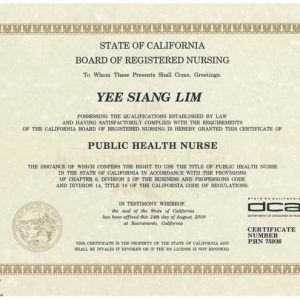
NCLEX CERTIFICATE FOR SALE
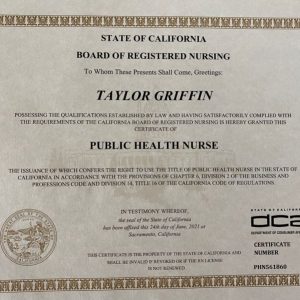
NCLEX CERTIFICATE FOR SALE
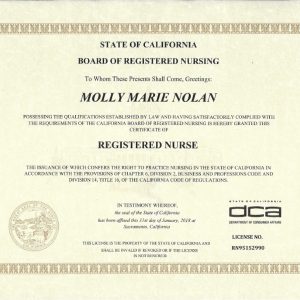
NCLEX CERTIFICATE FOR SALE

NCLEX CERTIFICATE FOR SALE
Reviews
There are no reviews yet.